
專注綠色建筑裝飾材料
經(jīng)營管理理念:讓客戶用的放心!
24小時(shí)服務(wù)熱線:
13864111871
專注綠色建筑裝飾材料
經(jīng)營管理理念:讓客戶用的放心!
24小時(shí)服務(wù)熱線:
13864111871
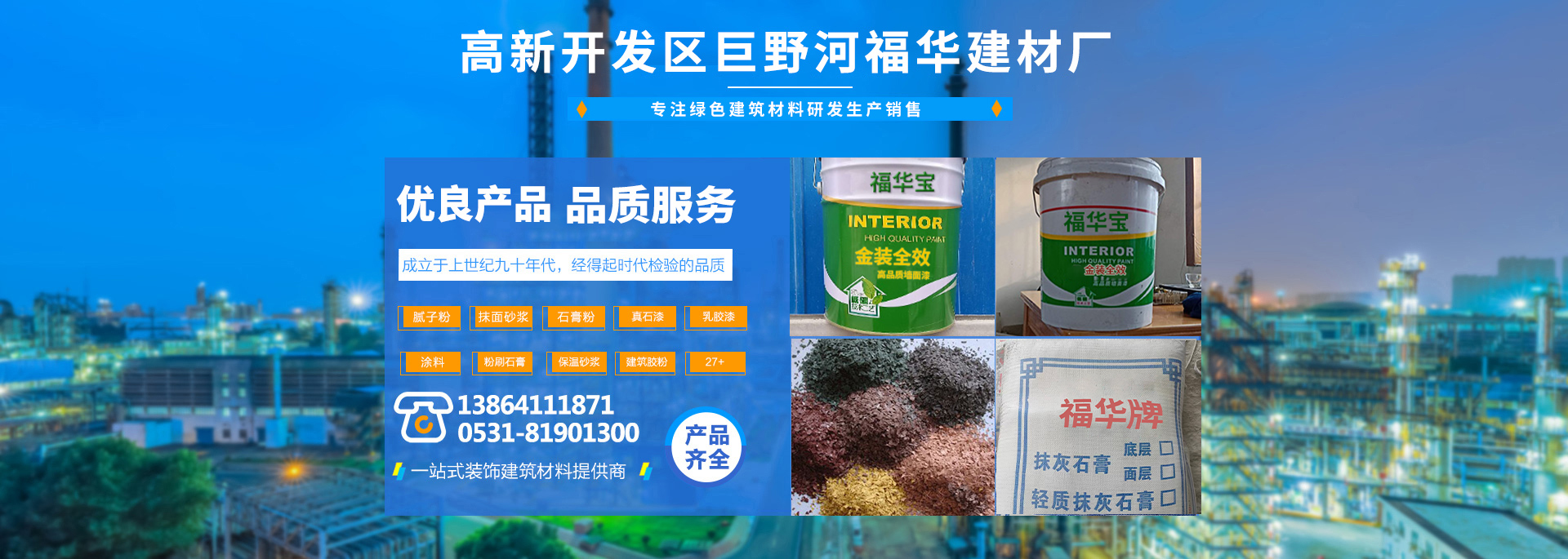
濟(jì)南福華建材廠
聯(lián)系人:吳老師
電話:
手機(jī):13864111871
0531-81901300
地址:山東省濟(jì)南市高新開發(fā)區(qū)巨野河辦事處山圈村西
溫度對石膏成型的影響解析:從水化反應(yīng)到結(jié)構(gòu)強(qiáng)度的探究
來源:http://www.360orange.cn 日期:2025-06-09 發(fā)布人:
石膏作為建筑、醫(yī)療、藝術(shù)領(lǐng)域廣泛應(yīng)用的膠凝材料,其成型過程深受溫度影響。從水化反應(yīng)動(dòng)力學(xué)到晶體結(jié)構(gòu)演化,溫度通過多尺度作用機(jī)制調(diào)控石膏的凝結(jié)時(shí)間、強(qiáng)度發(fā)展與微觀形貌。本文將結(jié)合實(shí)驗(yàn)數(shù)據(jù)與工程實(shí)踐,系統(tǒng)解析溫度對石膏成型的關(guān)鍵影響。
Gypsum, as a widely used cementitious material in the fields of architecture, medicine, and art, is greatly affected by temperature during its molding process. From hydration reaction kinetics to crystal structure evolution, temperature regulates the setting time, strength development, and microstructure of gypsum through multi-scale mechanisms. This article will combine experimental data with engineering practice to systematically analyze the key impact of temperature on gypsum molding.
一、水化反應(yīng)速率與凝結(jié)時(shí)間
1、 Hydration reaction rate and coagulation time
石膏的水化反應(yīng)本質(zhì)是半水石膏(CaSO?·0.5H?O)與水結(jié)合生成二水石膏(CaSO?·2H?O)的結(jié)晶過程。溫度對此過程具有雙重調(diào)控效應(yīng):
The hydration reaction of gypsum is essentially a crystallization process in which hemihydrate gypsum (CaSO?·0.5H?O) combines with water to form dihydrate gypsum (CaSO?·2H?O). Temperature has a dual regulatory effect on this process:
反應(yīng)速率:在10-30℃范圍內(nèi),溫度每升高10℃,初凝時(shí)間縮短30%-50%。當(dāng)溫度升至50℃時(shí),水化反應(yīng)速率達(dá)到峰值,但超過此臨界值后,漿體表面快速失水形成致密硬殼,反而阻礙內(nèi)部水化進(jìn)程。
Reaction rate: Within the range of 10-30 ℃, for every 10 ℃ increase in temperature, the initial setting time is shortened by 30% -50%. When the temperature rises to 50 ℃, the hydration reaction rate reaches its peak, but beyond this critical value, the surface of the slurry rapidly loses water and forms a dense hard shell, which hinders the internal hydration process.
凝結(jié)異常:低溫環(huán)境(<5℃)會(huì)顯著抑制水化反應(yīng),若漿體在凝固前凍結(jié),冰晶膨脹將破壞石膏晶體結(jié)構(gòu),造成不可逆強(qiáng)度損失。某建材實(shí)驗(yàn)室的凍融試驗(yàn)顯示,經(jīng)-5℃凍結(jié)的石膏試塊抗壓強(qiáng)度下降42%。
Condensation abnormality: Low temperature environment (<5 ℃) will significantly inhibit hydration reaction. If the slurry freezes before solidification, the expansion of ice crystals will damage the gypsum crystal structure and cause irreversible strength loss. The freeze-thaw test in a certain building materials laboratory showed that the compressive strength of gypsum test blocks frozen at -5 ℃ decreased by 42%.
二、強(qiáng)度發(fā)展的溫度依賴性
2、 Temperature dependence of intensity development
硬化石膏的強(qiáng)度取決于二水石膏晶體的生長與堆積密度,溫度通過影響過飽和度與結(jié)晶應(yīng)力調(diào)控強(qiáng)度演化:
The strength of hardened gypsum depends on the growth and bulk density of dihydrate gypsum crystals, and temperature regulates the strength evolution by affecting supersaturation and crystallization stress
過飽和度效應(yīng):在20℃條件下,漿體過飽和度為3.44,形成密集的晶核網(wǎng)絡(luò);而60℃時(shí)過飽和度降至2.50,晶核數(shù)量減少但晶體尺寸增大。某高校的材料試驗(yàn)表明,60℃硬化試件的早期強(qiáng)度較20℃提高18%,但最終強(qiáng)度因結(jié)晶應(yīng)力差異呈現(xiàn)非線性變化。
Supersaturation effect: At 20 ℃, the supersaturation of the slurry is 3.44, forming a dense network of crystal nuclei; At 60 ℃, the supersaturation decreases to 2.50, and the number of crystal nuclei decreases but the crystal size increases. A material test conducted by a certain university showed that the early strength of specimens hardened at 60 ℃ increased by 18% compared to those hardened at 20 ℃, but the final strength exhibited nonlinear changes due to differences in crystalline stress.
臨界溫度點(diǎn):當(dāng)硬化溫度超過70℃時(shí),二水石膏晶體開始脫水轉(zhuǎn)化為可溶性無水石膏(Ⅲ-CaSO?),導(dǎo)致結(jié)構(gòu)疏松。某核電項(xiàng)目的檢測數(shù)據(jù)顯示,經(jīng)80℃熱處理的石膏構(gòu)件抗壓強(qiáng)度下降27%。
Critical temperature point: When the hardening temperature exceeds 70 ℃, dihydrate gypsum crystals begin to dehydrate and transform into soluble anhydrous gypsum (Ⅲ-CaSO? )Resulting in a loose structure. The testing data of a certain nuclear power project shows that the compressive strength of gypsum components treated at 80 ℃ decreased by 27%.
三、微觀結(jié)構(gòu)演變規(guī)律
3、 The evolution law of microstructure
溫度通過影響原子擴(kuò)散速率與晶體生長習(xí)性,塑造石膏的微觀形貌:
Temperature shapes the microstructure of gypsum by affecting the atomic diffusion rate and crystal growth habits
低溫結(jié)晶:在5℃環(huán)境下,石膏粒子擴(kuò)散速率降低,形成規(guī)整的板狀晶體,結(jié)晶度高達(dá)85%。這種致密結(jié)構(gòu)使建筑石膏的抗折強(qiáng)度提升。
Low temperature crystallization: At 5 ℃, the diffusion rate of gypsum particles decreases, forming regular plate-like crystals with a crystallinity of up to 85%. This dense structure enhances the flexural strength of building gypsum.
高溫結(jié)晶:當(dāng)溫度升至40℃時(shí),晶體生長速度加快,但取向隨機(jī),形成花瓣?duì)罹奂w。某文保單位的研究顯示,古代石膏文物在高溫環(huán)境下形成的雜化結(jié)構(gòu),其孔隙率較現(xiàn)代制品高。
High temperature crystallization: When the temperature rises to 40 ℃, the crystal growth rate accelerates, but the orientation is random, forming petal shaped aggregates. A study by a cultural heritage site shows that the hybrid structure formed by ancient gypsum artifacts in high-temperature environments has a higher porosity than modern products.
四、工藝控制與質(zhì)量優(yōu)化
4、 Process Control and Quality Optimization
針對溫度影響的雙重性,實(shí)際工程需采取差異化控制策略:
In response to the duality of temperature effects, differentiated control strategies need to be adopted in practical engineering:
施工溫度窗口:建議將環(huán)境溫度控制在15-30℃。在高溫地區(qū),可采用冰水拌合、添加緩凝劑等技術(shù)手段;在低溫環(huán)境,需配備加熱養(yǎng)護(hù)棚,確保漿體溫度不低于10℃。
Construction temperature window: It is recommended to control the ambient temperature between 15-30 ℃. In high-temperature areas, techniques such as ice water mixing and adding retarders can be used; In low-temperature environments, a heating and curing shed should be equipped to ensure that the slurry temperature is not lower than 10 ℃.
煅燒工藝優(yōu)化:建筑石膏生產(chǎn)中,蒸汽回轉(zhuǎn)窯以140-160℃低溫煅燒,可獲得β-半水石膏為主相的產(chǎn)物,其標(biāo)準(zhǔn)稠度需水量低,硬化體孔隙率低。
Optimization of calcination process: In the production of building gypsum, steam rotary kiln calcination at low temperature of 140-160 ℃ can obtain products with β - hemihydrate gypsum as the main phase, with low water requirement for standard consistency and low porosity of hardened body.
特殊應(yīng)用場景:醫(yī)療石膏繃帶需控制結(jié)晶度在75%-85%,通過40℃恒溫固化工藝,平衡強(qiáng)度與透氣性;精密鑄造用石膏型需采用梯度升溫排蠟工藝,避免熱應(yīng)力開裂。
Special application scenarios: Medical gypsum bandages require a controlled crystallinity of 75% -85%, and are cured at a constant temperature of 40 ℃ to balance strength and breathability; The gypsum mold used for precision casting needs to adopt a gradient heating and wax removal process to avoid thermal stress cracking.
溫度對石膏成型的影響貫穿化學(xué)反應(yīng)、晶體生長、結(jié)構(gòu)形成全鏈條。通過科學(xué)調(diào)控溫度參數(shù),可實(shí)現(xiàn)石膏材料性能的定向優(yōu)化。隨著智能溫控技術(shù)與相變材料的應(yīng)用,石膏制品正在向高性能、功能化方向演進(jìn),這為建筑節(jié)能、文物保護(hù)等領(lǐng)域提供了新的技術(shù)路徑。
The influence of temperature on gypsum molding runs through the entire chain of chemical reactions, crystal growth, and structural formation. By scientifically regulating temperature parameters, directional optimization of gypsum material properties can be achieved. With the application of intelligent temperature control technology and phase change materials, gypsum products are evolving towards high performance and functionality, providing new technological paths for areas such as building energy conservation and cultural heritage protection.
本文由濟(jì)南石膏粉友情奉獻(xiàn).更多有關(guān)的知識(shí)請點(diǎn)擊:http://www.360orange.cn真誠的態(tài)度.為您提供為全面的服務(wù).更多有關(guān)的知識(shí)我們將會(huì)陸續(xù)向大家奉獻(xiàn).敬請期待.
This article is a friendly contribution from Jinan gypsum powder For more information, please click: http://www.360orange.cn Sincere attitude To provide you with comprehensive services We will gradually contribute more relevant knowledge to everyone Coming soon.

手機(jī)站

關(guān)注微信公眾號(hào)
 主站蜘蛛池模板:
91美女在线|
1024视频在线|
久久夜色午夜久久综合|
在线日韩AV永久免费观看|
手机看片欧美|
一本色道久久综合亚洲精品久久|
91精品国产午夜福利|
亚洲中文字幕无码爆乳app|
日韩精品人妻中文字在线|
免费无遮挡无码永久视频|
аⅴ天堂国产最新版在线中文|
国产xxxx做受视频|
免费一级欧美在线大片|
色AV专区无码影音先锋|
精人妻无码一区二区三区|
日本三级电影网站|
精品国产av无码一区二区三区|
免费特黄夫妻生活片|
99国产精品永久免费视频|
亚洲国产婷婷六月丁香|
九九热在线精品视频99|
一本色道久久综合中文字幕|
蜜桃av一区二区高潮久久精品|
风间由美性色一区二区三区|
色综合色综合久久综合频道|
又大又紧又粉嫩18p少妇|
久久国语露脸精品国产麻豆|
欧美黑人又粗又大又爽免费|
内射一区二区三区四区|
亚洲区精品区日韩区综合区|
3p露脸在线播放|
铜鼓县|
日韩精品极品视频在线免费|
91精品久久一区二区三区|
成人精品日韩专区在线观看|
久久精品这里热有精品|
狠狠爱网站|
亚洲女人天堂成人av在线|
在线日本国产成人免费的|
好好的曰com久久|
又大又紧又粉嫩18p少妇|
主站蜘蛛池模板:
91美女在线|
1024视频在线|
久久夜色午夜久久综合|
在线日韩AV永久免费观看|
手机看片欧美|
一本色道久久综合亚洲精品久久|
91精品国产午夜福利|
亚洲中文字幕无码爆乳app|
日韩精品人妻中文字在线|
免费无遮挡无码永久视频|
аⅴ天堂国产最新版在线中文|
国产xxxx做受视频|
免费一级欧美在线大片|
色AV专区无码影音先锋|
精人妻无码一区二区三区|
日本三级电影网站|
精品国产av无码一区二区三区|
免费特黄夫妻生活片|
99国产精品永久免费视频|
亚洲国产婷婷六月丁香|
九九热在线精品视频99|
一本色道久久综合中文字幕|
蜜桃av一区二区高潮久久精品|
风间由美性色一区二区三区|
色综合色综合久久综合频道|
又大又紧又粉嫩18p少妇|
久久国语露脸精品国产麻豆|
欧美黑人又粗又大又爽免费|
内射一区二区三区四区|
亚洲区精品区日韩区综合区|
3p露脸在线播放|
铜鼓县|
日韩精品极品视频在线免费|
91精品久久一区二区三区|
成人精品日韩专区在线观看|
久久精品这里热有精品|
狠狠爱网站|
亚洲女人天堂成人av在线|
在线日本国产成人免费的|
好好的曰com久久|
又大又紧又粉嫩18p少妇|


 魯公網(wǎng)安備